
Protecting the Rights
of Employees
of Employees







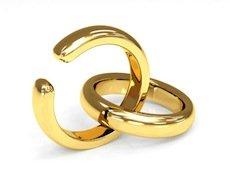
Marital status discrimination is unlawful in New Jersey. An employer cannot use the fact that you are married, single, divorced, widowed, separated, or going through a divorce as a reason to treat you differently at work. If your marital status played any role in decisions involving termination, discipline, demotion, pay, scheduling, promotions, hiring, or job opportunities, you may have a claim under the New Jersey Law Against Discrimination (NJLAD).
Marital status discrimination is not always obvious. Sometimes it shows up as a sudden shift in tone, standards, or access, especially after a change in your personal life. A supervisor may claim the issue is performance or “fit,” but the timing, comments, or inconsistent expectations can tell a different story. If you suspect your marital status has became an issue in the workplace, it is worth taking that concern seriously and getting guidance on your rights.
Marital status discrimination can affect nearly any part of your employment. It may involve actions that happen quickly after a change in your relationship status, or patterns that develop over time until they start affecting your job security or growth.
Some common examples include:
In many cases, the discrimination is driven by stereotypes rather than facts. A decisionmaker might assume a single parent will be less reliable, a divorced employee will bring “drama,” or a newly married employee will prioritize family over work. Those assumptions are not good reasons to deny job opportunities or impose other negative treatment.
Marital status discrimination also can involve biased treatment because you are not married, even if you are in a committed relationship. In some workplaces, a supervisor may react negatively to living arrangements such as an unmarried partner relationship, or pregnancy or parenting outside of marriage.
This can show up in different ways, including being passed over for roles that involve client contact, being held to stricter conduct expectations, or being treated as if you are less trustworthy or less stable. However, none of those personal circumstances have anything to do with whether you can perform your job. If you are meeting expectations, your personal relationship status should not become an excuse to limit your opportunities at work.
Marital status discrimination often overlaps with other forms of unlawful discrimination. For example, a workplace may apply different expectations to women than to men regarding caregiving, loyalty, professionalism, or availability. An employer may claim it is reacting to “attendance issues” or “commitment,” but the pattern may reflect gender-based assumptions about parenting or household responsibilities.
Marital status issues also can intersect with sexual orientation and gender identity or expression. For example, a workplace may treat a same-sex marriage differently, or respond negatively to the existence of a same-sex spouse or partner. Even when an employer tries to reframe the conflict as “office disruption” or “relationship drama,” the underlying issue still may be unlawful discrimination.
New Jersey law also protects workers from discrimination based on domestic partnership status and civil union status. In practical terms, an employer should not treat you differently because you are in a civil union, in a registered domestic partnership, or because you are not. These protections apply to job applicants as well. Hiring decisions should be based on qualifications, not civil union or domestic partnership status.
If you suspect marital status discrimination at work, the details often matter. Here are practical examples of information that can help support this legal claim:
If you believe your employer treated you unfairly because of your marital status, domestic partnership status, or civil union status, Rabner Baumgart Ben-Asher & Nirenberg, P.C. can help you understand your options under New Jersey law. To speak with a Bergen County employment lawyer, please call (201) 777-2250 or contact us online to schedule a consultation.
To learn more about your legal rights, please visit our New Jersey Employment Law Blog.
In addition, you may be interested in reading one of the following articles written by our New Jersey marital status discrimination attorneys: